The Most Fun Music Gadgets for Musicians in 2026
When you buy through links on this page, I may earn a small commission from Amazon or other shops. It costs you nothing extra. How this works.
Confession: I’m a synth nerd, and most music gadgets I’ve tried were fun for one evening before they moved into a drawer. The ones on this list are different. They’re small, a bit weird, and they make you want to play something right now. That goes for producers, piano players and people who have never touched an instrument.
It’s also a list of gadgets for musicians that works as a gift guide. Nothing here needs a studio. A few of these fit in a jeans pocket. I’ve kept my old favorites that are still sold (hello, Stylophone), dropped the ones that disappeared, and added their successors. Where I haven’t used something myself, I say so.
Quick picks
- Best overall: Teenage Engineering PO-33 K.O!
- Best upgrade for beatmakers: Teenage Engineering EP-133 K.O. II
- Best gift for non-musicians: Otamatone
- Best for synth nerds who like soldering-free DIY: Korg NTS-1 digital kit mkII
- Best for drummers: Soundbrenner Pulse
Teenage Engineering PO-33 K.O! – the pocket sampler that started it
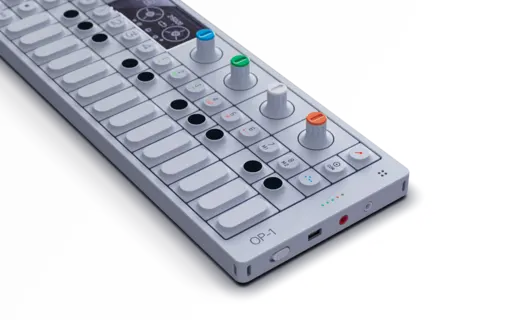
When I think of quirky music gadgets, I think of Teenage Engineering. The Swedish company’s OP-1 (the photo on top of this page) paved the way for toy-like music makers. I still leave the OP-1 out of lists like this, because it costs as much as a small used car. Okay, a very small used car.
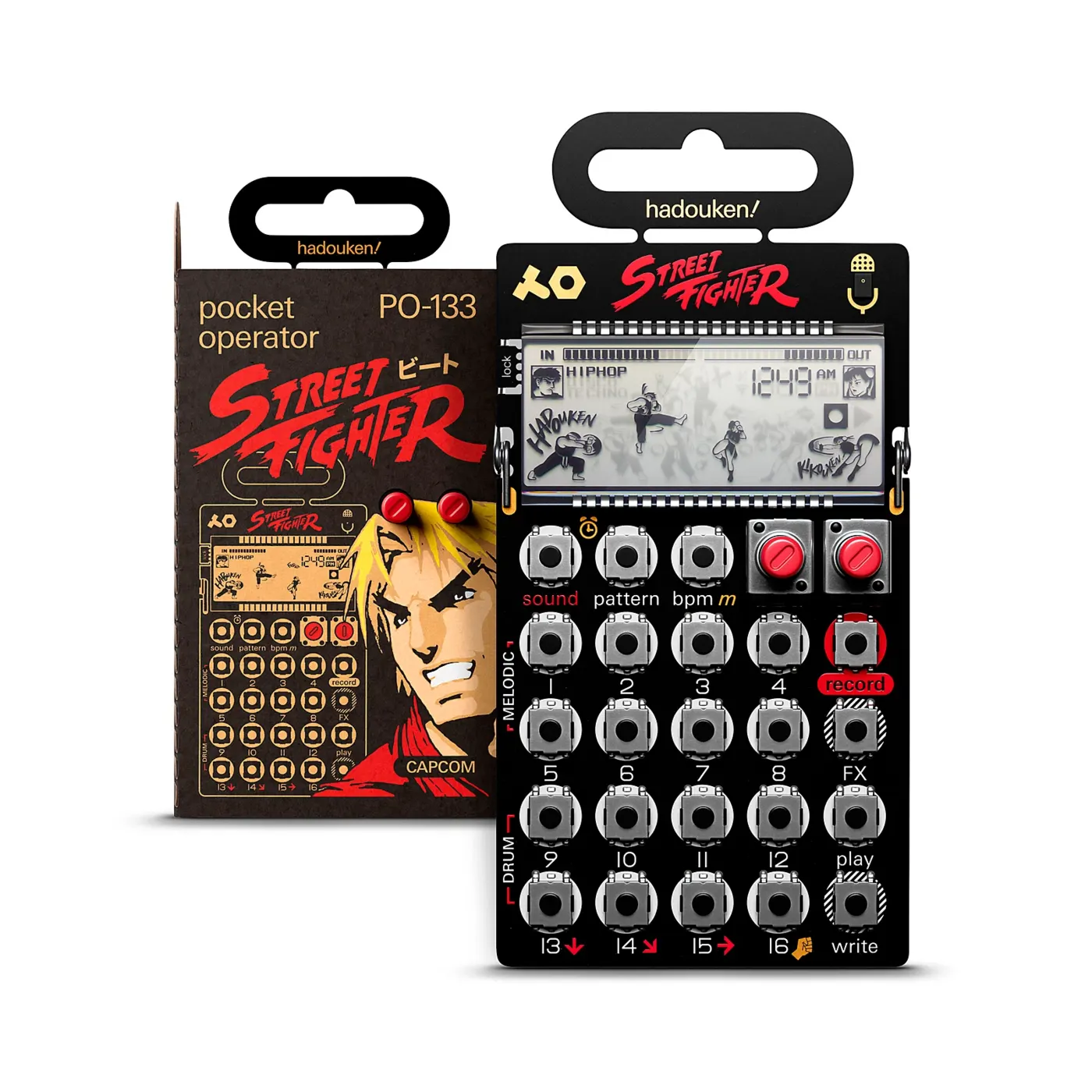
The Pocket Operators are the opposite. They’re bare circuit boards with a calculator-style display, loosely inspired by Nintendo’s Game & Watch, and they run on two AAA batteries. There are drum machines, synths and special editions (Street Fighter, Mega Man), but my weapon of choice is still the PO-33 K.O!. It’s a micro sampler with 40 seconds of sample memory and a built-in microphone, so you can record your cat, your kettle or your own beatbox and sequence it into a beat.
The con: there’s no screen to speak of and the button combos take a manual and some patience. Who it’s for: anyone who wants to make beats on a train. If one isn’t enough, you can sync several Pocket Operators with an audio cable.
Teenage Engineering EP-133 K.O. II – the PO-33, all grown up
The EP-133 K.O. II is what happens when the PO-33 goes to the gym. It’s a full sampler, drum machine and sequencer with a built-in mic, pressure-sensitive pads and a cute “super segment” display. It has 999 sample slots, and newer units ship with 128 MB of memory instead of the original 64 MB, so check which one a listing offers. It runs on four AAA batteries or USB-C and has 12 punch-in effects you can smash during a live jam.
On paper it’s a lot of machine for the money, and it has become one of the most talked-about samplers of the last few years. It’s also one of the few Teenage Engineering products that doesn’t need a bank loan.
The con: reviewers aren’t unanimous. MusicTech gave it a 7 out of 10 and pointed to rivals like the Roland SP-404MKII with more sound-shaping options. Who it’s for: PO-33 owners who keep running out of memory, and producers who want a portable idea sketchbook.
Stylophone Original – the 1968 pocket synth that’s still around
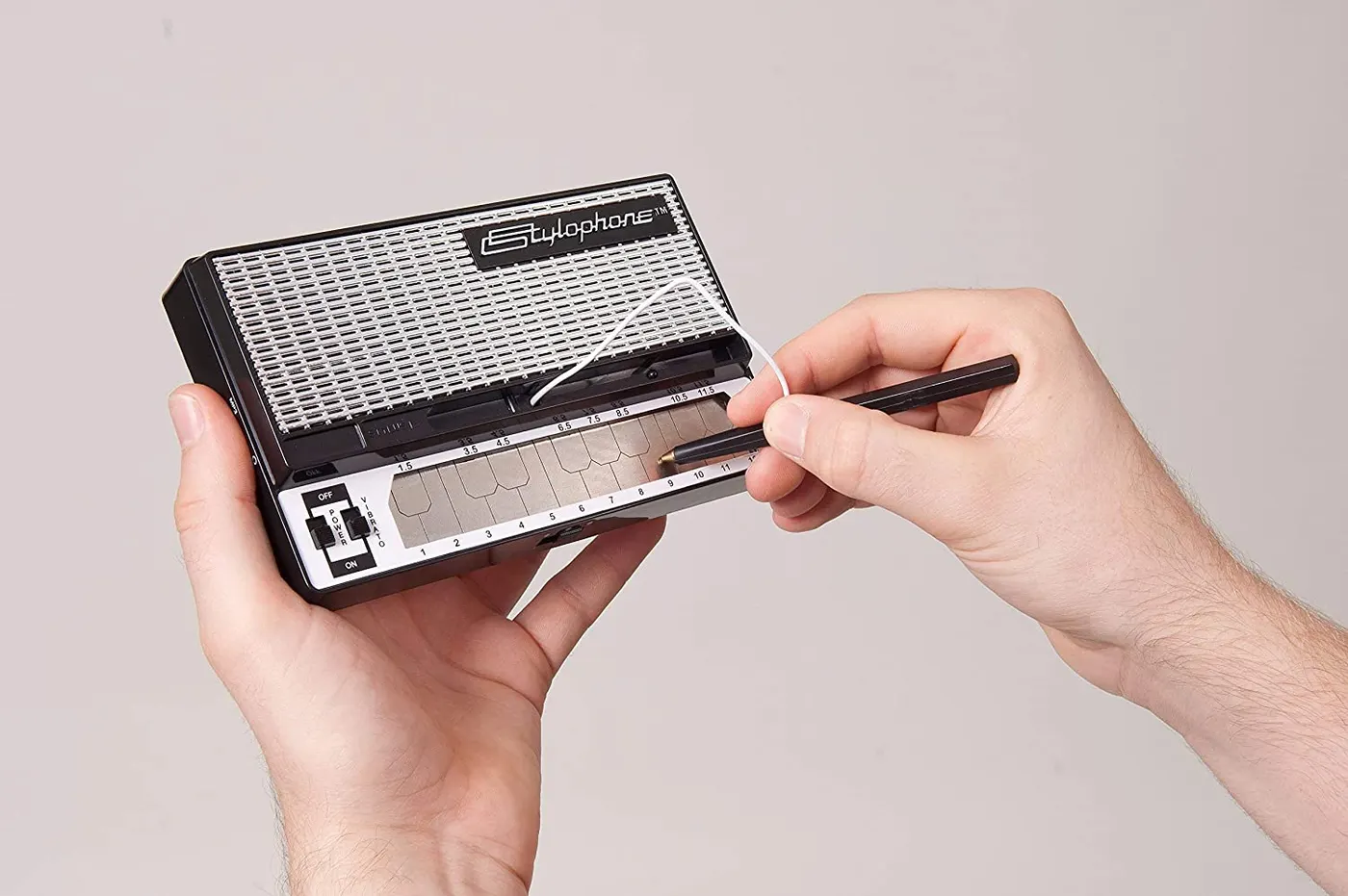
The Stylophone is a tiny synth you play by touching a metal stylus to a metal keyboard. It has a built-in speaker and a vibrato switch, and it sounds exactly as buzzy and retro as it looks.
It’s been around longer than you think. It was invented in 1968 by Brian Jarvis of Dubreq in London, who was repairing a toy piano for his niece and had the idea to swap the keys for electronics. You’ve heard it on David Bowie’s Space Oddity, which is also why a David Bowie edition of the Stylophone exists.
In the hands of a keyboard player it can do surprisingly musical things. In the hands of a six-year-old it will drive the whole family nuts. Both are valid.
The con: it’s monophonic with a small range, so it’s a toy with a great sound more than a serious instrument. Who it’s for: retro fans, Bowie fans and anyone who needs a cheap stocking stuffer. If you like it, the Stylophone Theremin is its even stranger sibling.
Otamatone – the cutest synth on the list
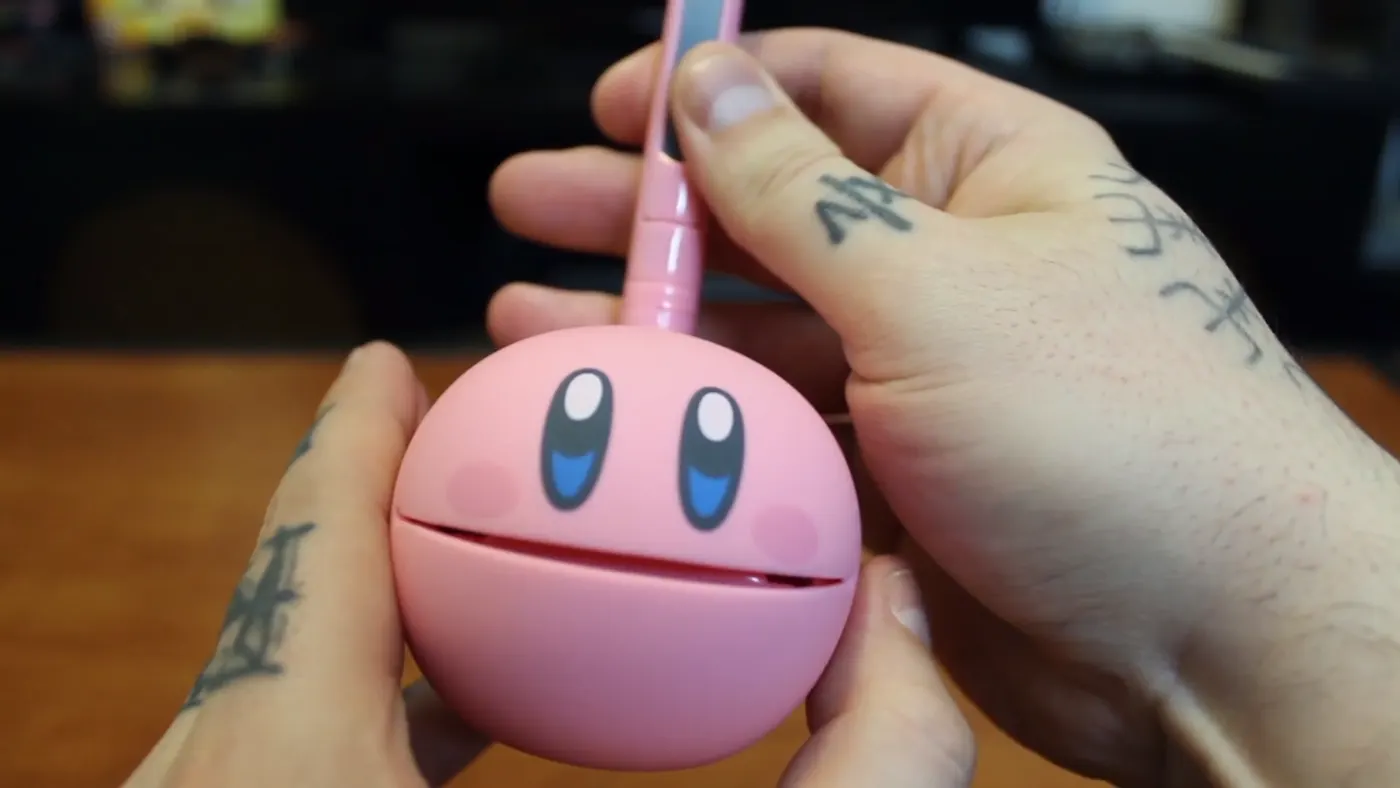
Probably the cutest music maker on here is the Otamatone. It’s shaped like a musical note with a face, it comes from the Japanese design firm Maywa Denki, and it first came out in Japan in 2009.
You slide a finger along the stem to change the pitch and squeeze the head to open its mouth, which changes the tone. The result sounds like a synthesized singing voice with a lot of wah. It runs on AA batteries.
YouTube is full of Otamatone covers of pop songs. My favorite is still the guy who played one all the way into the next round of Spain’s Got Talent:
The con: playing it in tune is genuinely hard, and your first attempts will sound like a sad duck. Who it’s for: the non-musician on your gift list, and every musician with a sense of humor. There’s also a Kirby Otamatone for Nintendo fans.
Yamaha P-32D Pianica – a melodica that needs no batteries
For something more traditional, there’s the melodica. It’s a small keyboard you play by blowing into a mouthpiece or a flexible tube while you press the keys. It sounds somewhere between a harmonica and an accordion, which suits melancholy songs, reggae and the Gorillaz phase you swear you grew out of.
The old pick on this list was a no-name model that’s no longer easy to find. I’ve swapped it for the Yamaha P-32D (Yamaha calls its melodicas “Pianicas”). It has 32 keys, which gives you two and a half octaves. The fan site Melodica World ranks it among its top picks and calls it a good balance between size and range. It needs no batteries or charging, so it works on the beach, in the park or during a power cut.
The con: you’re blowing into it, so hygiene and spit are part of the deal, and you can’t sing along. Who it’s for: keyboard players who want something portable and acoustic, and anyone who wants an instrument that never needs charging.
Akai Professional MPK Mini Play MK3 – a MIDI keyboard that makes its own noise
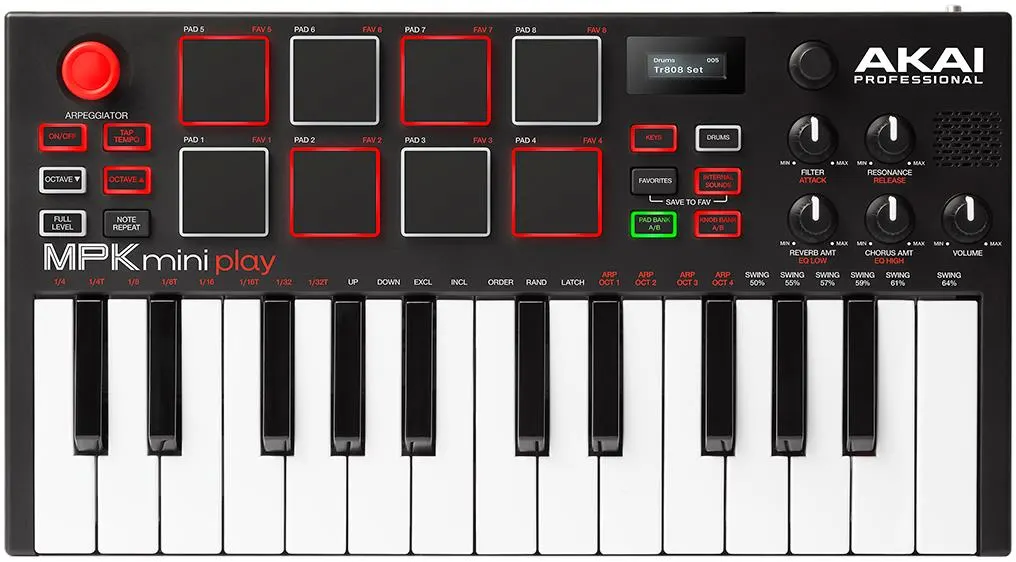
Akai’s MPK Mini is one of the most popular small MIDI keyboards around. Normal MIDI controllers make no sound of their own; they control software on your computer. The MPK Mini Play is the exception: it has a built-in speaker and more than 128 onboard instruments and drum kits.
The current MK3 version (the photo shows the original) has 25 mini keys, eight MPC-style pads, knobs, a small OLED display and a headphone jack. It runs on batteries or USB power. Plug it into your computer and it works like a regular MIDI controller for your music software.
The con: the built-in speaker is small, so don’t expect it to fill a room. Mini keys also take some getting used to if you play a real piano. Who it’s for: beginners who want to make music on the couch without booting a laptop, and producers who want one keyboard for both.
Soundbrenner Pulse – a metronome you feel
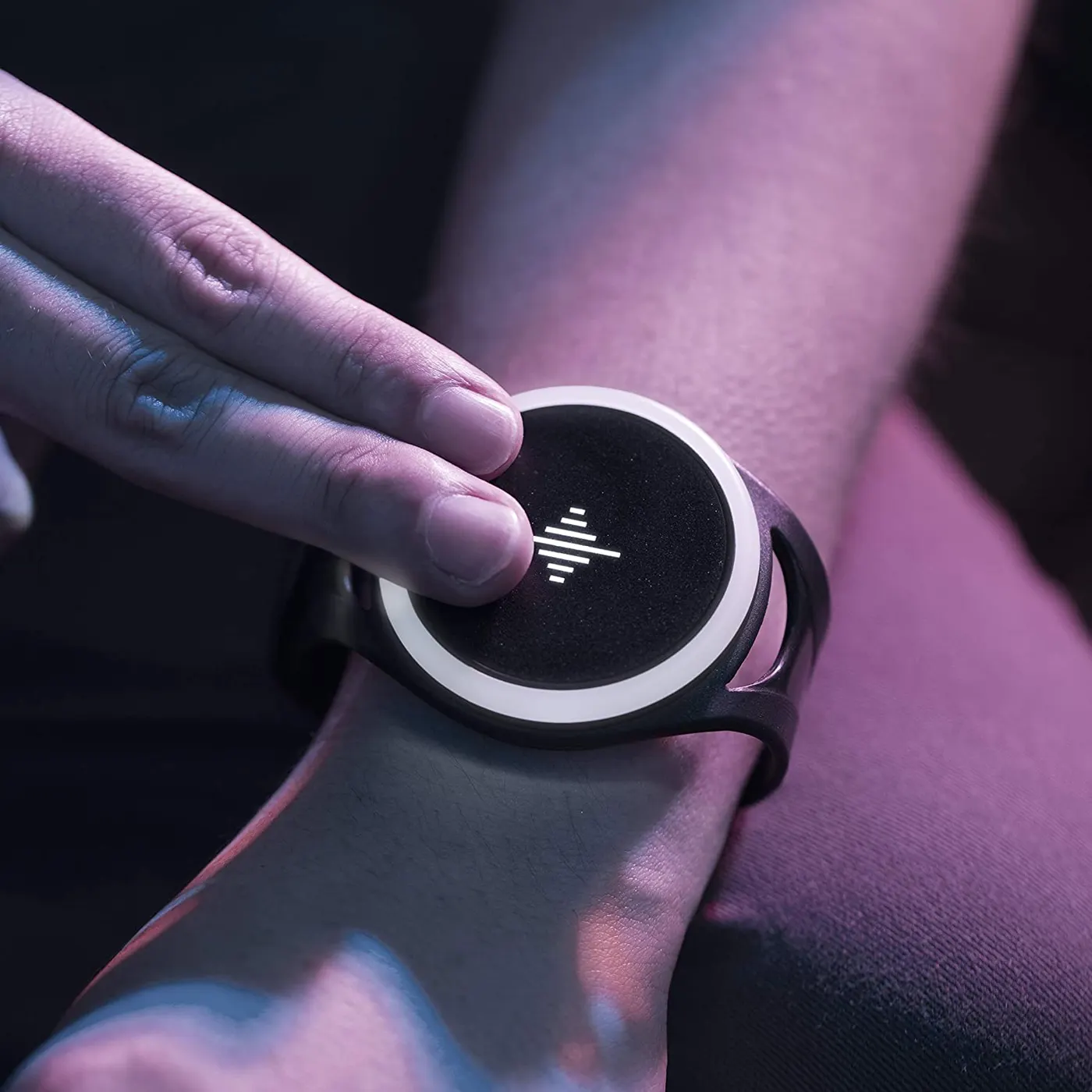
If you need a gift for a drummer, or any musician who practices to a click, the Soundbrenner Pulse is a smart one. It’s a wearable metronome that vibrates on the beat, so you feel the tempo instead of hearing an annoying click. Wear it on your wrist, arm or (with a separate strap) your chest or leg.
You can tap in the tempo on the device, but it has no screen, so fine-tuning happens in the companion app. Several Pulses can sync, so a whole band can feel the same beat. Soundbrenner still sells it as its entry-level wearable. The Core 2 is the fancier sibling with a screen, a tuner and a decibel meter.
The con: it’s chunky compared to a normal watch. Who it’s for: drummers, bands without in-ear monitors and anyone practicing in an apartment with thin walls.
ROLI Piano M – light-up keys that teach you to play
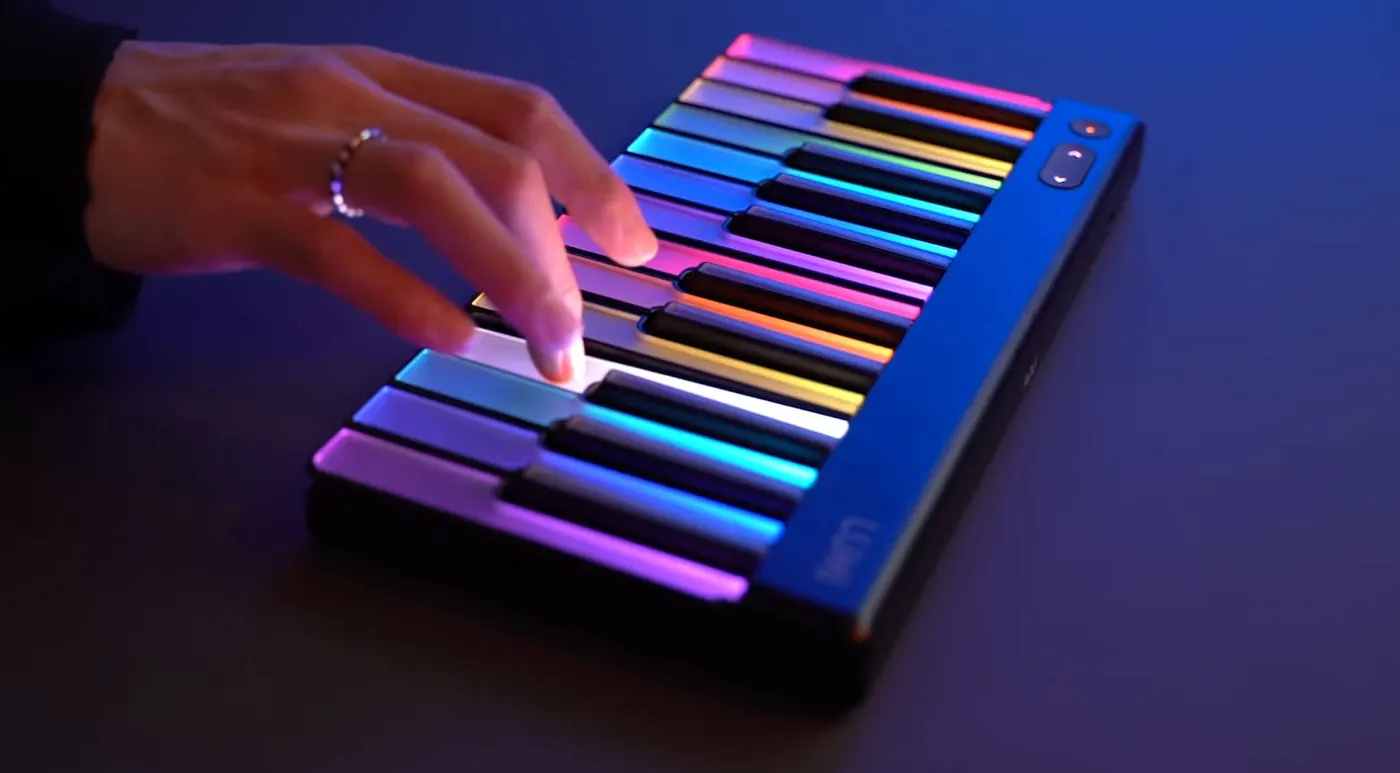
The previous version of this list had the LUMI Keys. Good news: it’s still here, it just changed its name. ROLI dropped the LUMI brand, and LUMI Keys is now sold as the ROLI Piano M. Same keyboard, and old and new units work together.
It’s a 24-key mini keyboard where every key lights up in full color. Paired with ROLI’s app, the keys light up to show you what to play, a bit like Guitar Hero. It also supports MPE, which means you can bend the pitch of each note and add pressure per key. It connects over Bluetooth or USB-C, runs about six hours on a charge, and up to four of them click together for a bigger keybed.
The con: 24 keys are two octaves, so real two-handed piano pieces need a second unit. Who it’s for: adults who want to (finally) learn piano, and producers who want an expressive controller that fits in a backpack.
Korg NTS-1 digital kit mkII – build your own synth in an evening
For a first real synthesizer, the NTS-1 from Korg is great fun. You get it as a kit and put it together yourself. No soldering required, and Korg includes the tool.
The original NTS-1 on this list has been replaced by the mkII. On paper it’s a big upgrade: an 18-key multitouch keyboard instead of the old ribbon strip, an arpeggiator, a new 8-step sequencer, and MIDI in and out. It also connects over USB-C now. It has filters and effects you can also use on other instruments through the audio input, and owners can load custom oscillators and effects made by the community, so it keeps getting new sounds.
The con: it’s tiny, and the flat touch keyboard is no substitute for real keys. Who it’s for: curious beginners who want to learn how a synth works from the inside, and synth nerds who want a pocket effects box.
How to choose a music gadget
- Want to make beats? Start with a PO-33. If you catch the bug, the EP-133 is the next step.
- Want to learn an instrument? The ROLI Piano M’s light-up keys or a melodica are the most “real” instruments here.
- Buying for a non-musician? Go for fun over features: the Otamatone or the Stylophone.
- Check the power. The Pocket Operators, EP-133, MPK Mini Play and Otamatone run on batteries. The melodica runs on lungs.
- Mind the headphones. Your housemates will thank you. Check for a headphone jack before you buy something with a built-in speaker.
FAQ
What’s a good gadget for a musician who has everything?
Something they’d never buy themselves. A Soundbrenner Pulse is useful but not something most drummers treat themselves to, and an Otamatone is pure fun. Both are easy to give.
What happened to the Artiphon Orba and the Donda Stem Player?
Both were on the old version of this list. Artiphon suspended operations in 2025, so we removed the Orba. Kano discontinued the Donda edition of the Stem Player in 2023. You can still read about it in our Donda Stem Player post.
Are these music gadgets good for kids?
The Stylophone, Otamatone and melodica are simple enough for kids. For a synth made specifically for small hands, check out the Blipblox After Dark.
One last tip: once you’ve recorded a loop on any of these, you’ll want to layer it. That’s when the Boss RC-505 looper starts calling your name. Consider yourself warned.